
Lemon garlic butter shrimp pasta is the kind of dish that tastes like it belongs on a candlelit menu — buttery, bright, elegant. This version gets it on the table in 20 minutes. The secret isn’t a shortcut ingredient; it’s sequencing. The pasta boils while you season and sear the shrimp, the sauce builds in the same pan in two minutes, and a scoop of starchy pasta water turns butter into a silky glaze that coats every strand of linguine.
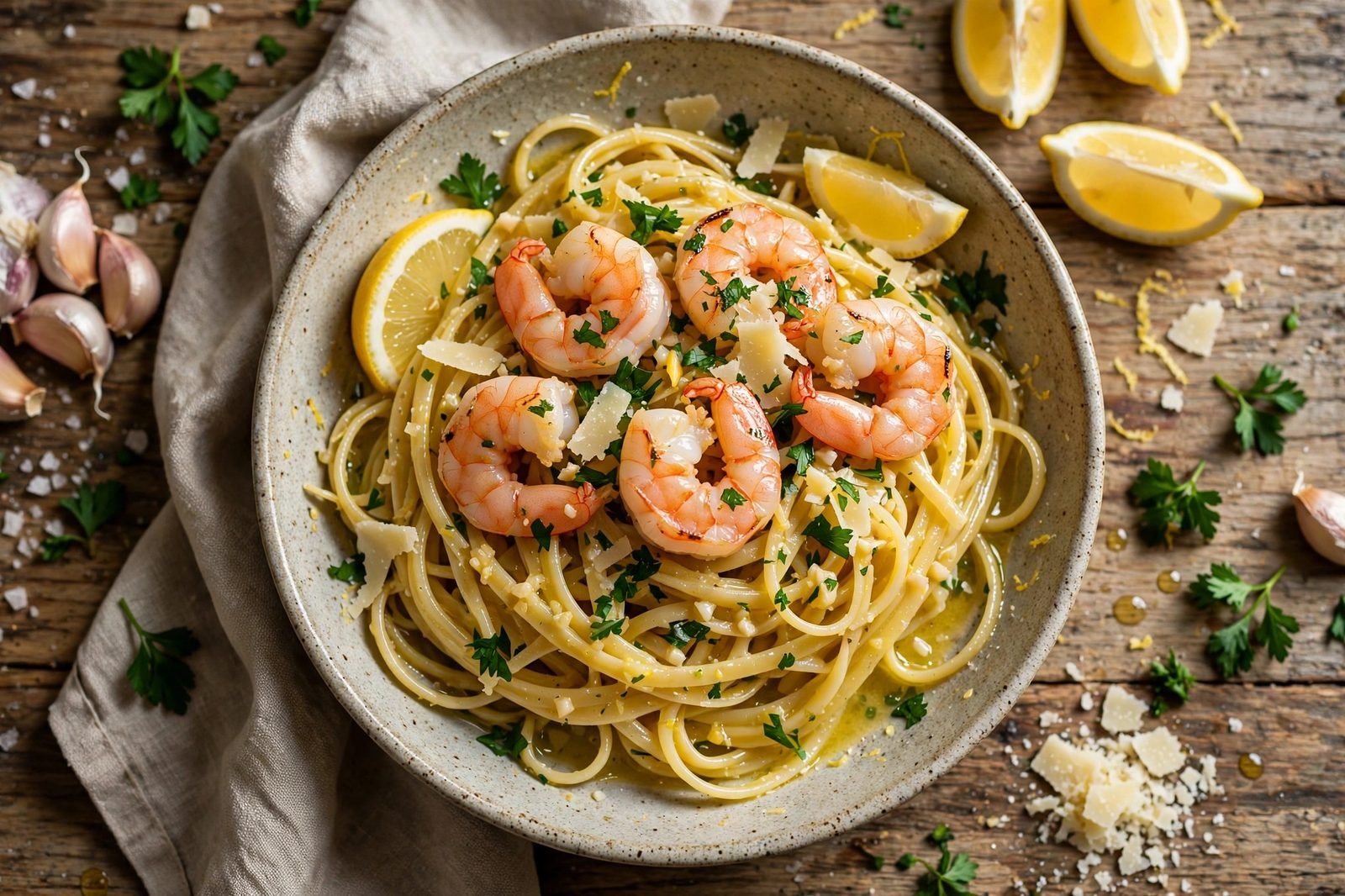
Why you’ll love it
- Real 20-minute timing. Pasta and shrimp cook in parallel — nothing waits on anything else.
- Silky, not greasy. Reserved pasta water emulsifies the butter into a sauce that clings to the pasta.
- ~55g protein per serving (estimated), from a full 1½ lb of shrimp plus Parmesan.
- Restaurant flavor, one skillet. Garlic, lemon, red pepper flakes, white wine — the classic luxury quartet.
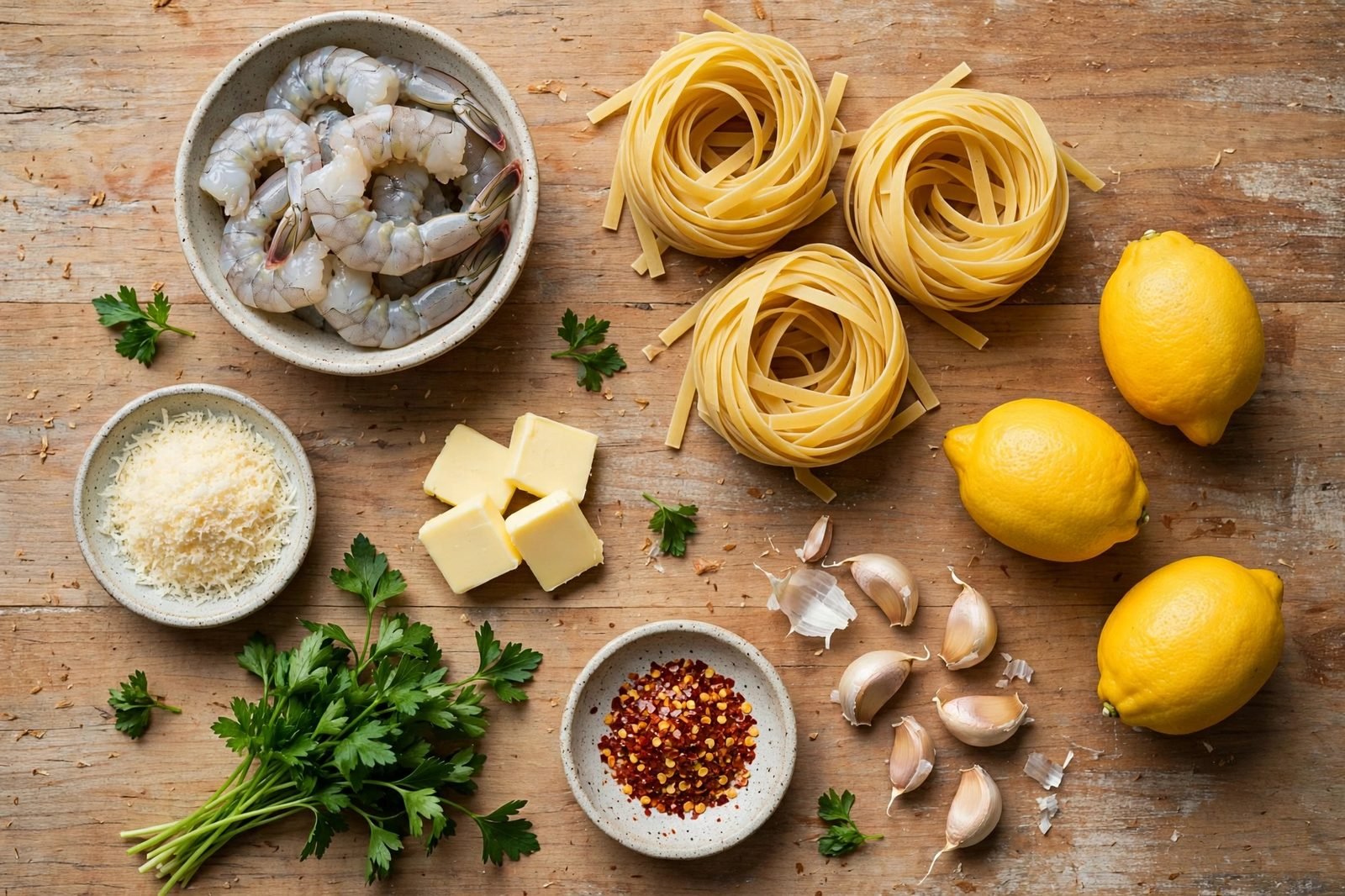
Ingredients
- 12 oz linguine, or spaghetti
- 1 1/2 lb large shrimp, peeled and deveined (tails on or off)
- 5 tbsp unsalted butter, divided (3 tbsp + 2 tbsp)
- 1 tbsp olive oil
- 4 cloves garlic, minced
- 1/2 tsp red pepper flakes, plus more to taste
- 1/2 cup dry white wine, or low-sodium chicken broth
- Zest of 1 large lemon
- 3 tbsp fresh lemon juice, about 1 large lemon
- 1 tsp kosher salt, divided
- 1/2 tsp black pepper
- 1/2 cup freshly grated Parmesan, plus more for serving
- 1/3 cup chopped fresh parsley
- Lemon wedges, for serving
Equipment
A large pot for pasta, a large skillet (12-inch), and tongs.
Instructions
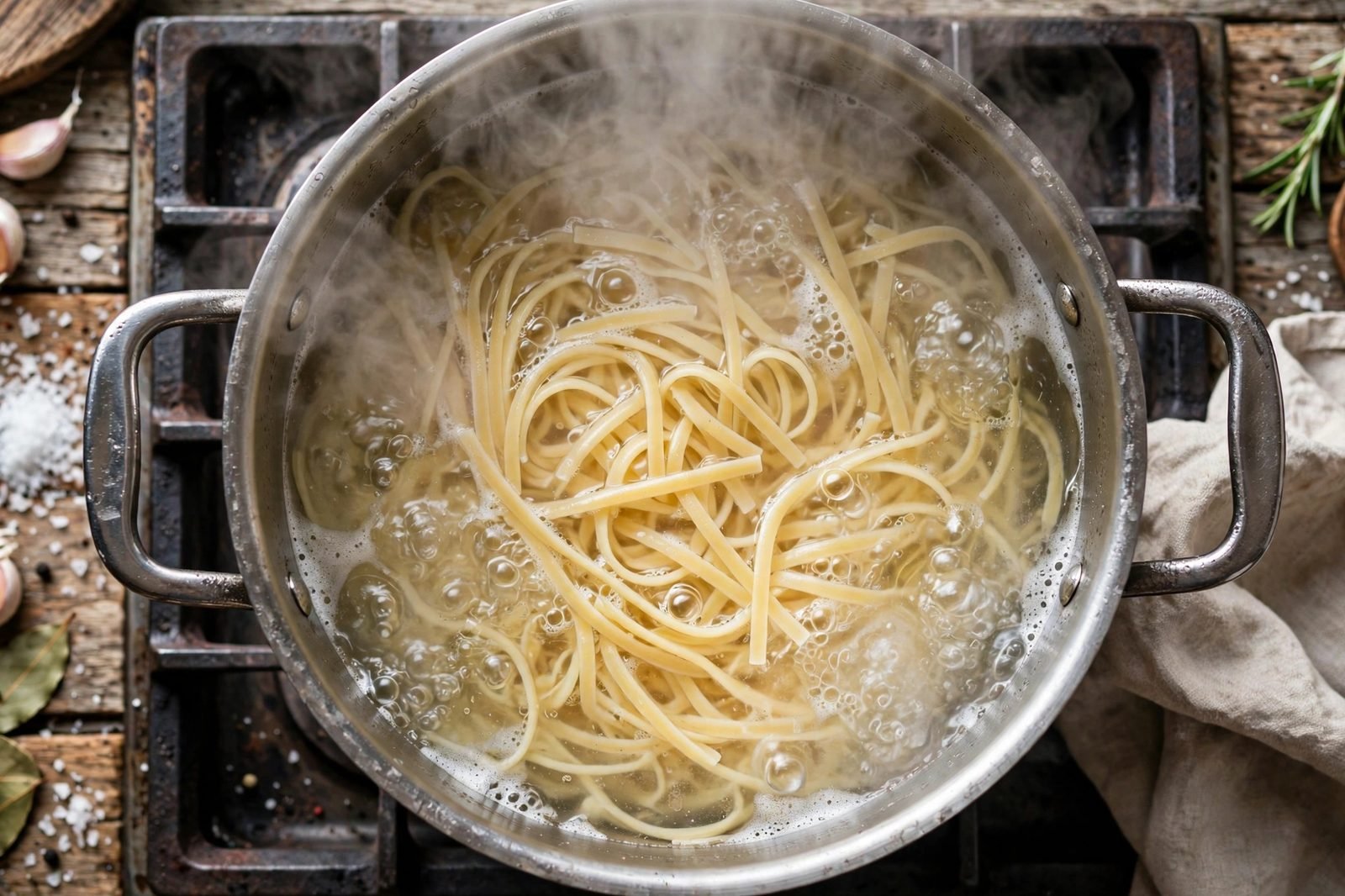
- Boil the pasta (8 minutes). Bring a large pot of generously salted water to a rolling boil. Add the linguine and cook until just shy of al dente, about 8 minutes — it will finish in the sauce. Before draining, reserve 1½ cups of the starchy pasta water. Drain the pasta.
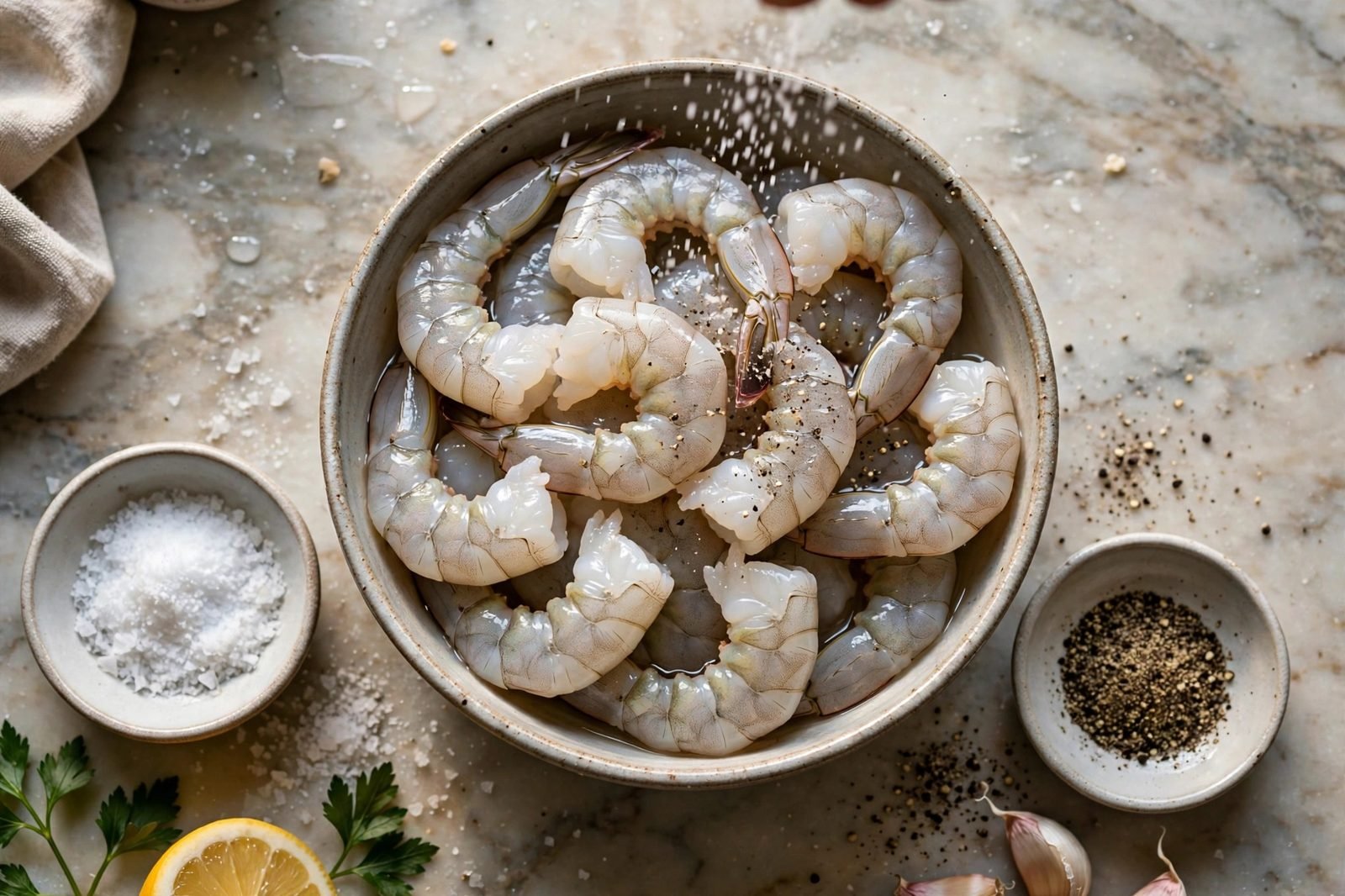
- Sear the shrimp (4 minutes). While the pasta cooks, pat the shrimp very dry and season with half the salt and pepper. Heat the olive oil in a large skillet over medium-high heat. Sear the shrimp in a single layer, about 2 minutes per side, until pink and opaque. Work in two batches if the skillet is crowded. Transfer to a plate.
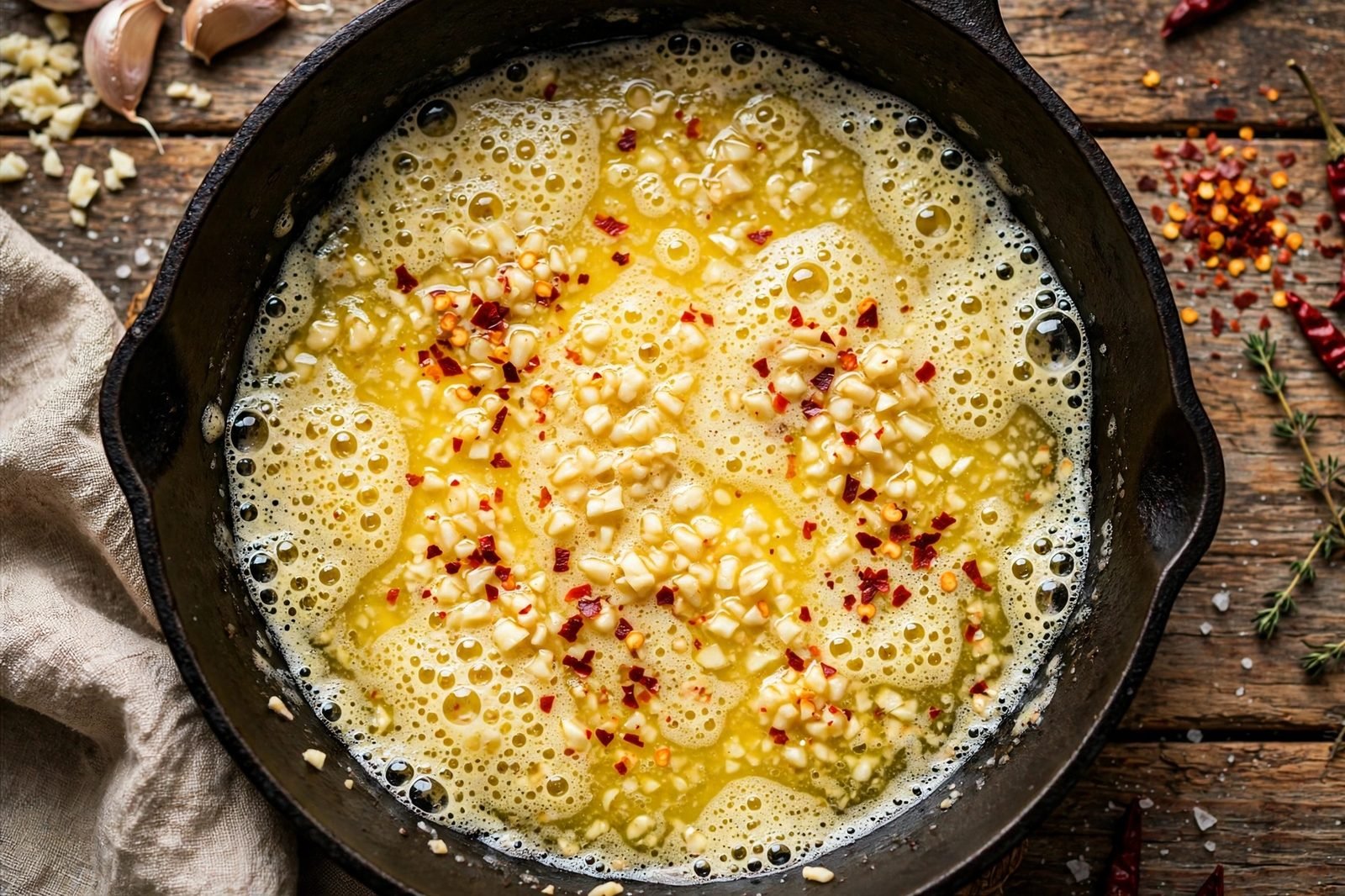
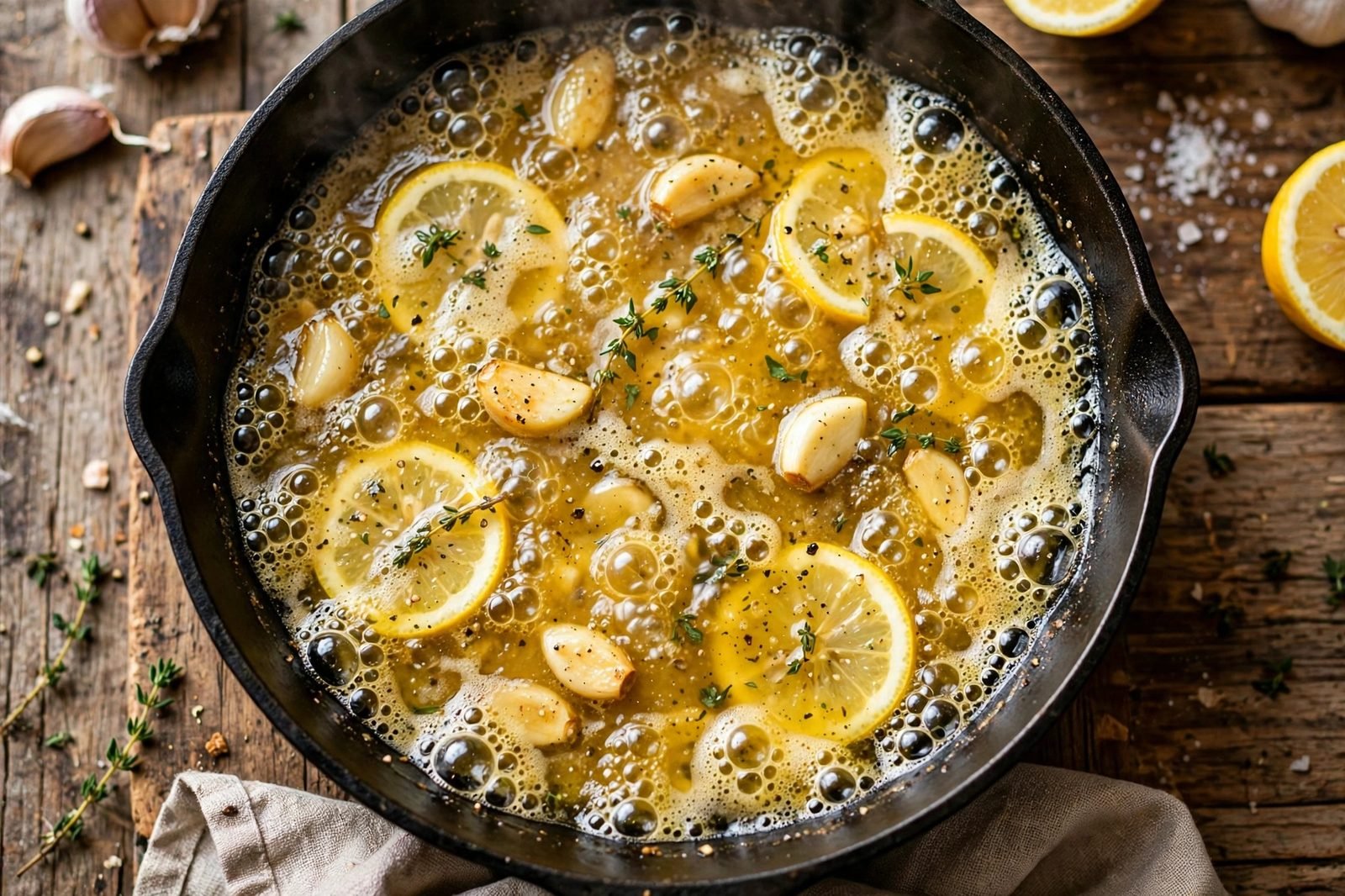
- Build the garlic butter sauce (2 minutes). Reduce the heat to medium. Add 3 tablespoons butter to the same skillet; when foaming, stir in the garlic and red pepper flakes and cook 30 seconds, until fragrant but not browned. Pour in the white wine and lemon juice; simmer 1 minute, scraping up the browned bits.
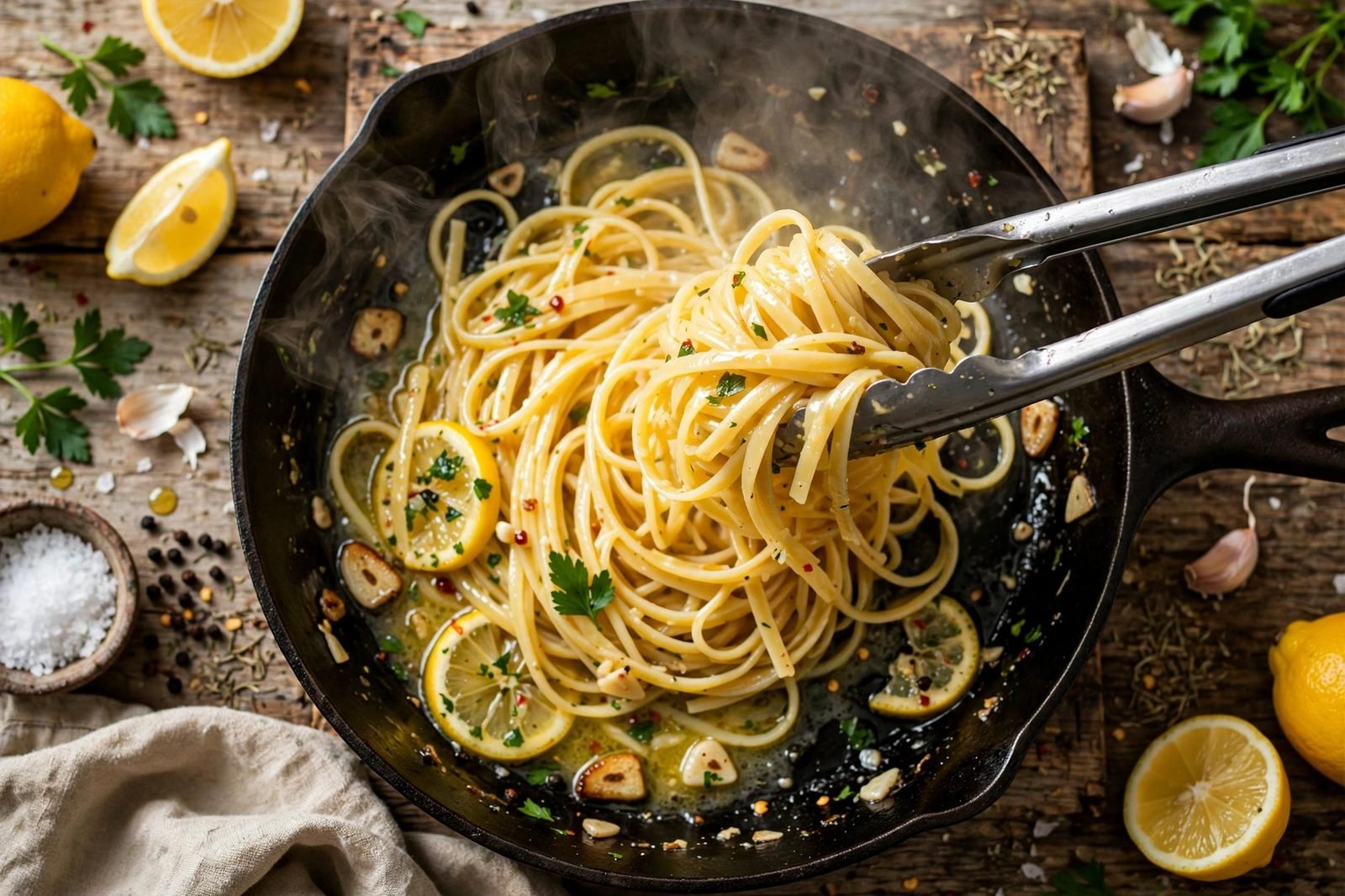
- Toss the pasta (2 minutes). Add the drained linguine to the skillet with 1 cup of the reserved pasta water. Toss with tongs over medium heat for about 2 minutes, until the liquid thickens into a light sauce that coats the pasta. Splash in more pasta water if the pan looks dry.
- Finish silky (1 minute). Off the heat, toss in the shrimp, Parmesan, parsley, lemon zest, and the remaining 2 tablespoons butter. Toss until the butter melts and the sauce turns glossy. Taste and adjust with the remaining salt, pepper, and more red pepper flakes if you like heat.
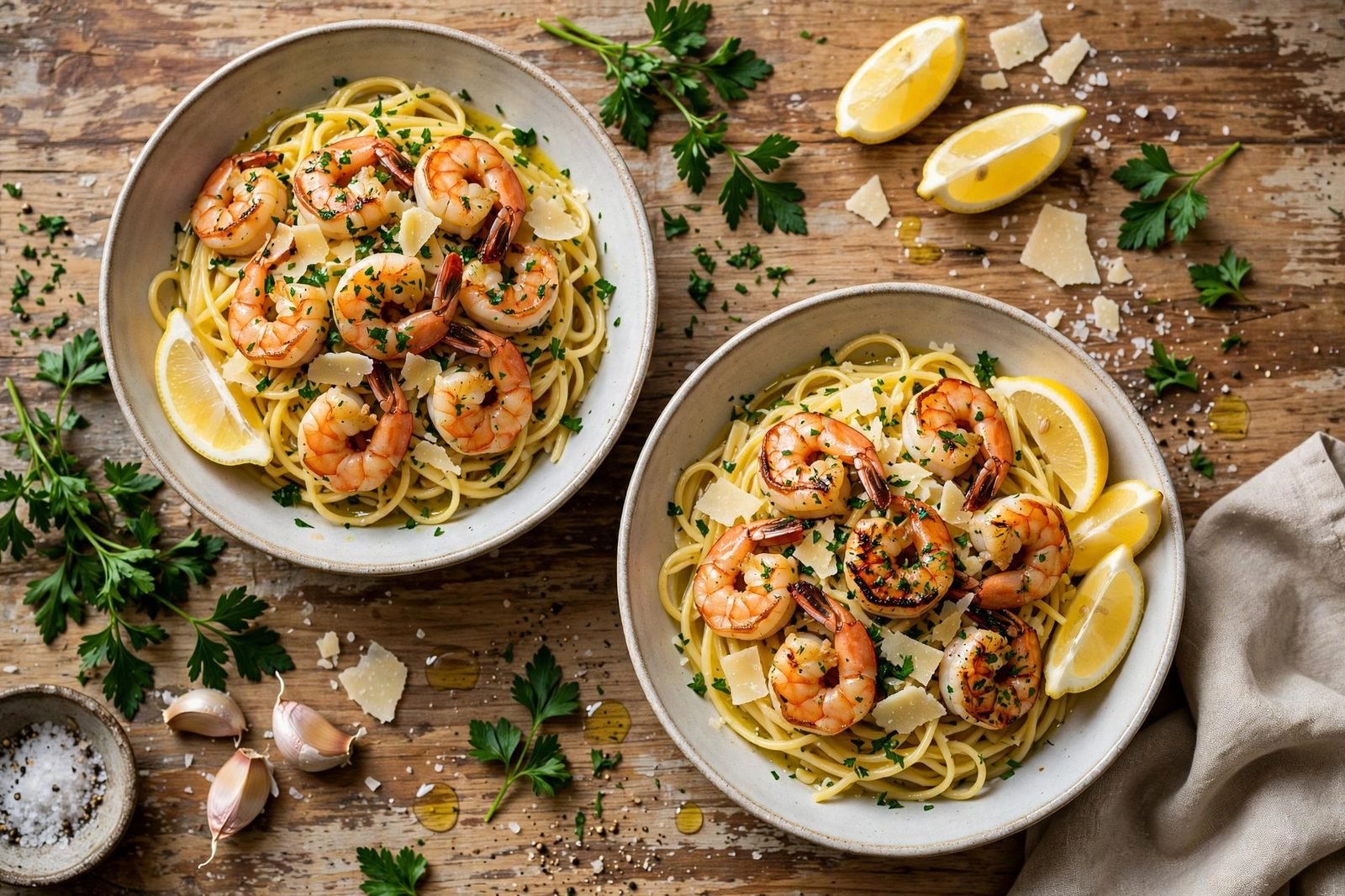
- Serve immediately. Divide among bowls with lemon wedges and extra Parmesan. The sauce tightens as it sits, so don’t wait.
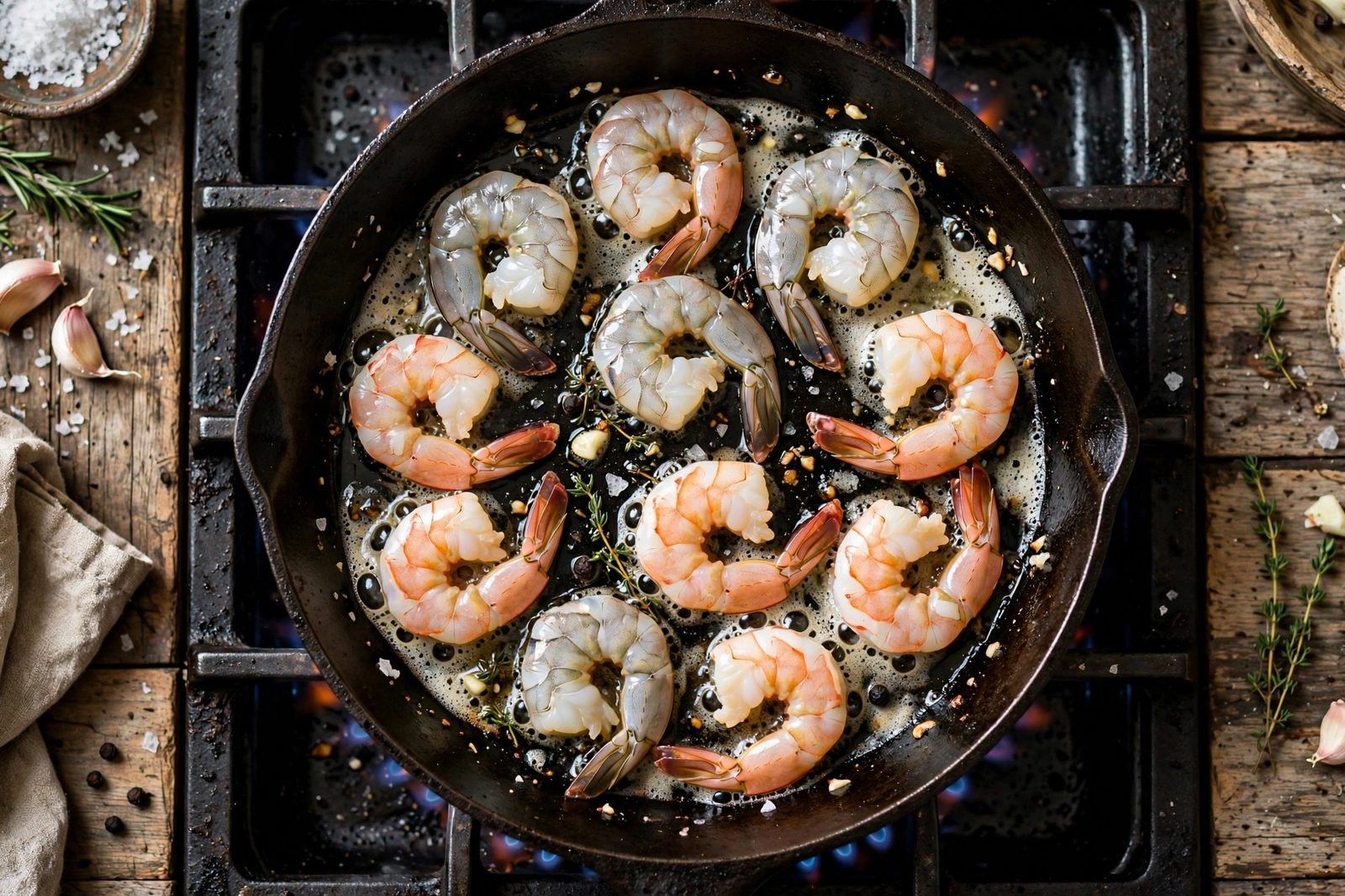
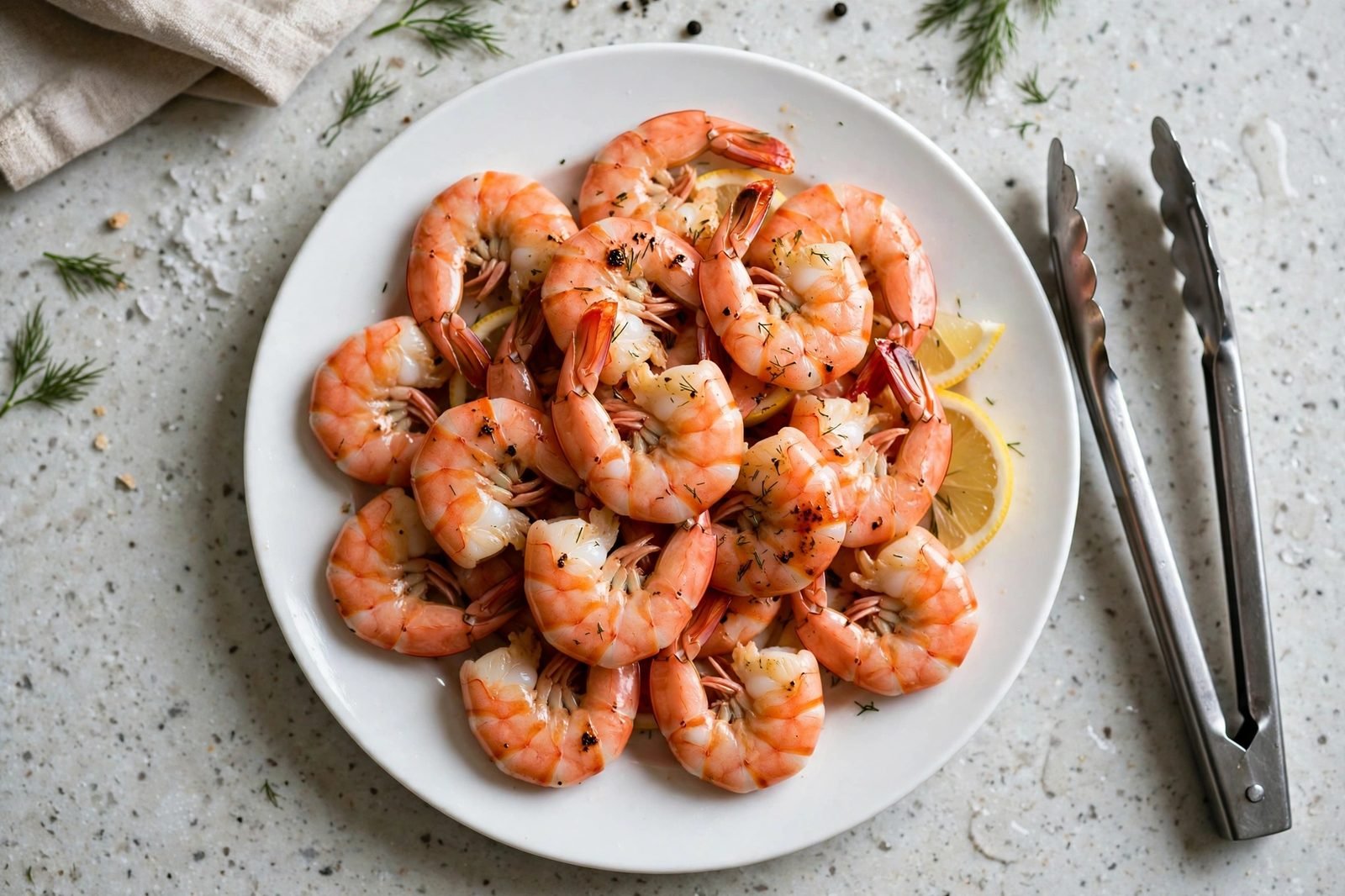
Doneness cues: Shrimp must reach 145°F internally — they’re done when pink, opaque, and curled into a loose C. A tight O-shape means they’re overcooked and rubbery, so pull them the moment the last gray spot disappears.
20-Minute Lemon Garlic Butter Shrimp Pasta
Ingredients
Equipment
Method
- Bring a large pot of generously salted water to a rolling boil. Add the linguine and cook until just shy of al dente, about 8 minutes — it will finish in the sauce. Before draining, reserve 1½ cups of the starchy pasta water. Drain the pasta.
- While the pasta cooks, pat the shrimp very dry and season with half the salt and pepper. Heat the olive oil in a large skillet over medium-high heat. Sear the shrimp in a single layer, about 2 minutes per side, until pink and opaque. Work in two batches if the skillet is crowded. Transfer to a plate.
- Reduce the heat to medium. Add 3 tablespoons butter to the same skillet; when foaming, stir in the garlic and red pepper flakes and cook 30 seconds, until fragrant but not browned. Pour in the white wine and lemon juice; simmer 1 minute, scraping up the browned bits.
- Add the drained linguine to the skillet with 1 cup of the reserved pasta water. Toss with tongs over medium heat for about 2 minutes, until the liquid thickens into a light sauce that coats the pasta. Splash in more pasta water if the pan looks dry.
- Off the heat, toss in the shrimp, Parmesan, parsley, lemon zest, and the remaining 2 tablespoons butter. Toss until the butter melts and the sauce turns glossy. Taste and adjust with the remaining salt, pepper, and more red pepper flakes if you like heat.
- Divide among bowls with lemon wedges and extra Parmesan. The sauce tightens as it sits, so don’t wait.
Notes
Nutrition note
Protein is estimated at about 55g per serving, calculated from USDA FoodData Central values for the listed ingredients — this is an estimate, not a lab analysis. Actual values vary by brand and preparation.
Substitutions and tips
- Spaghetti or fettuccine swap in 1:1 for the linguine — any long pasta works here.
- No white wine? Use low-sodium chicken broth, or the reserved pasta water with an extra squeeze of lemon.
- Frozen shrimp work fine: thaw completely under cold running water and pat very dry — wet shrimp steam instead of sear.
- Keep the garlic pale. Browned garlic turns bitter and will stain the whole dish — 30 seconds over medium heat is all it needs.
Storage and reheating
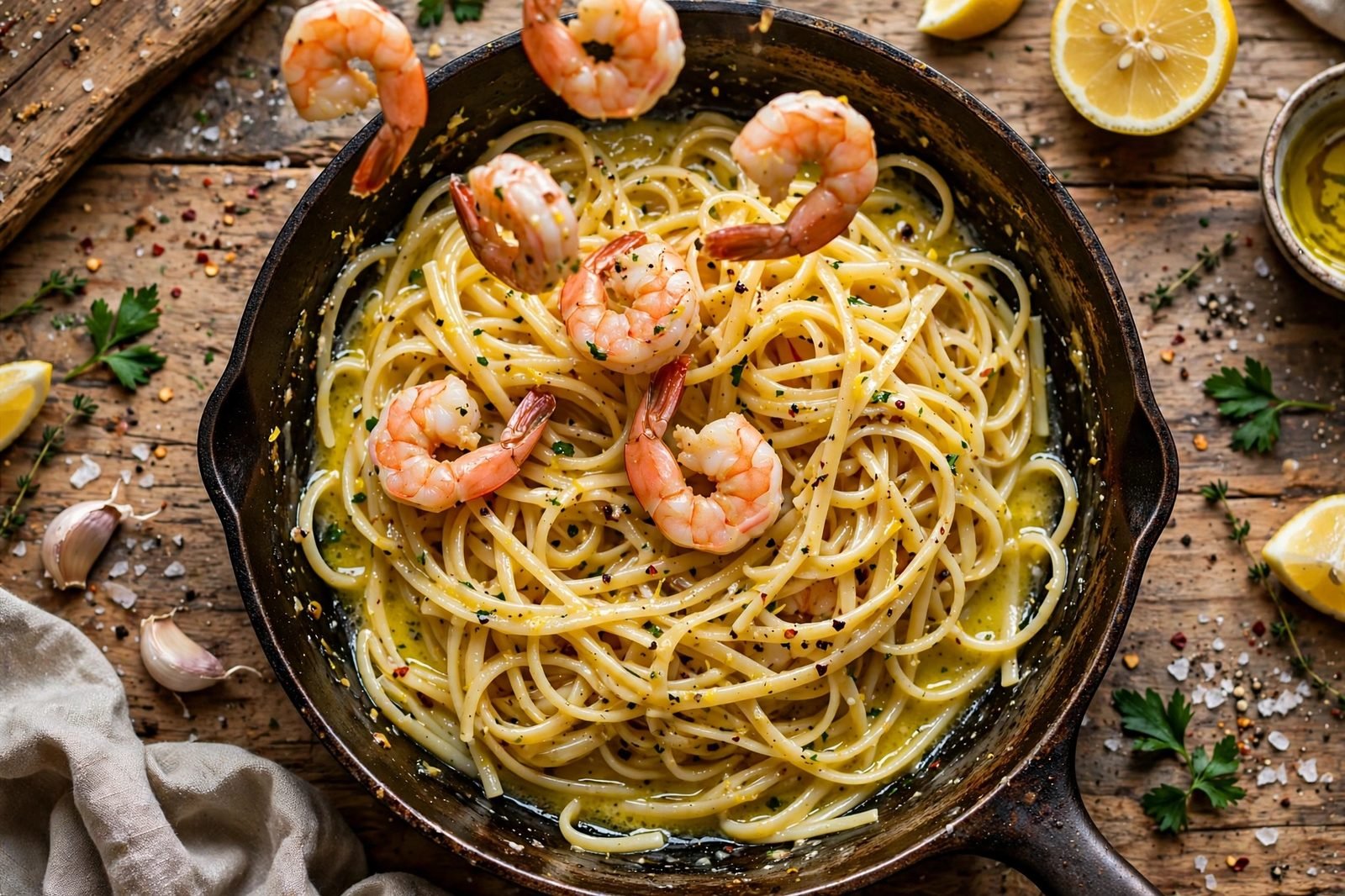
Refrigerate leftovers within 2 hours in an airtight container for up to 3 days. Reheat gently in a skillet over medium-low heat with a splash of broth or water until steaming (165°F), tossing to loosen the sauce. The pasta absorbs sauce as it sits, so leftovers won’t be quite as silky. Freezing is not recommended — the shrimp turn rubbery and the sauce separates.
Frequently asked questions
Can I use frozen shrimp? Yes — thaw them completely under cold running water first, then pat very dry with paper towels. Wet shrimp won’t sear; they’ll steam and turn rubbery.
How do I know when the shrimp are done? They should be pink, opaque, and curled into a loose C shape. A tight O means overcooked. An instant-read thermometer reads 145°F at the thickest part.
Why save the pasta water? The starch in the water emulsifies the butter into a glossy sauce that clings to every strand. Without it, the butter just slides off and pools at the bottom of the bowl.
Can I make it dairy-free? Use olive oil in place of the butter and skip the Parmesan (or use your favorite dairy-free alternative). It will be lighter but still bright and garlicky.
What if I don’t drink wine? Substitute low-sodium chicken broth, or use pasta water plus an extra squeeze of lemon juice for brightness.
More 20-minute shrimp dinners
For another 20-minute shrimp dinner, try our 20-Minute Shrimp & White Bean Skillet. If you like sweet heat, our 25-Minute Garlic Chili Shrimp & Broccoli is a reader favorite. Craving more pasta? Our 30-Minute Creamy Sun-Dried Tomato Chicken Pasta is all one pot.